Paintings / Festmények /

Chronological list of paintings

Festmények kronológiai listája

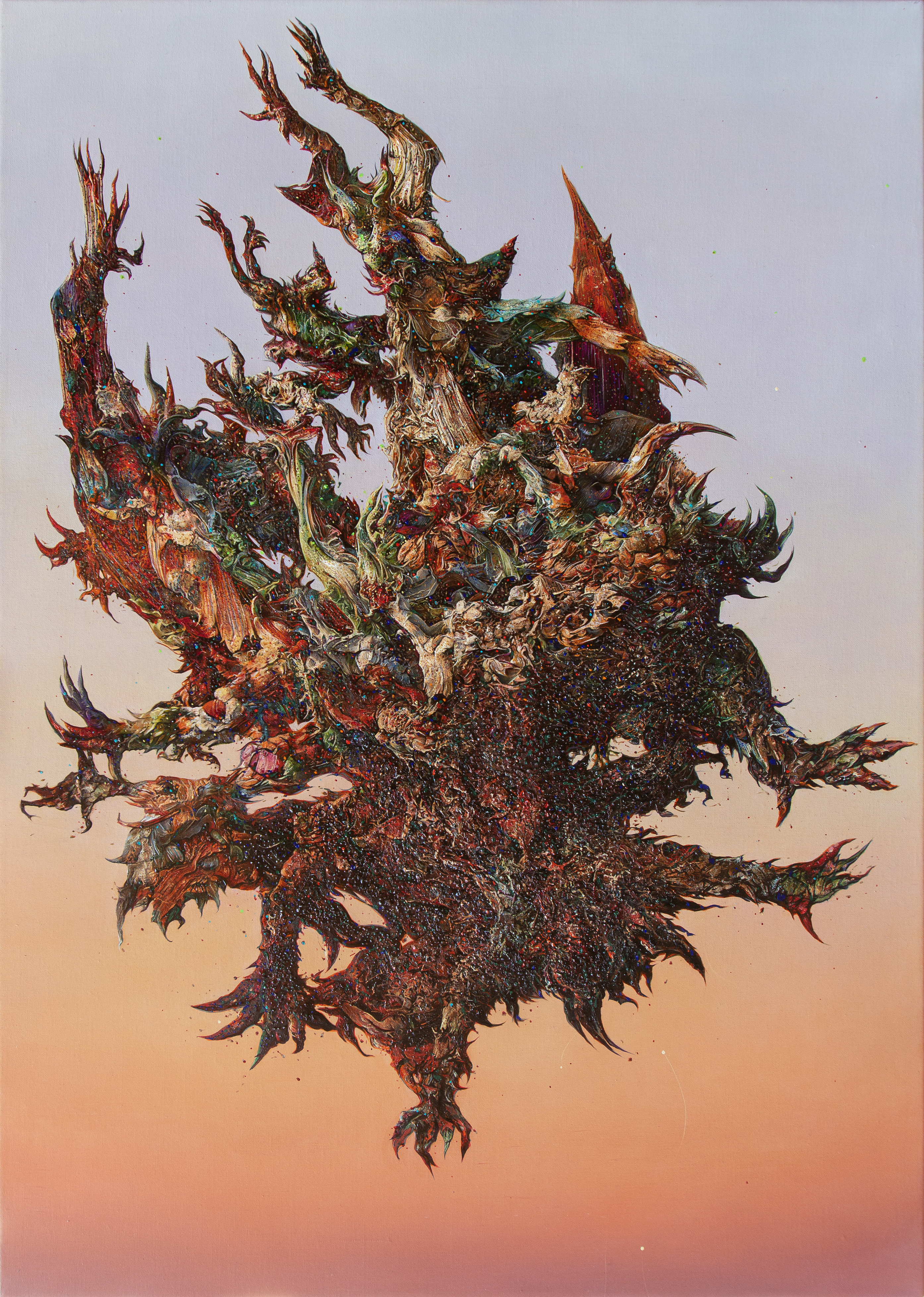
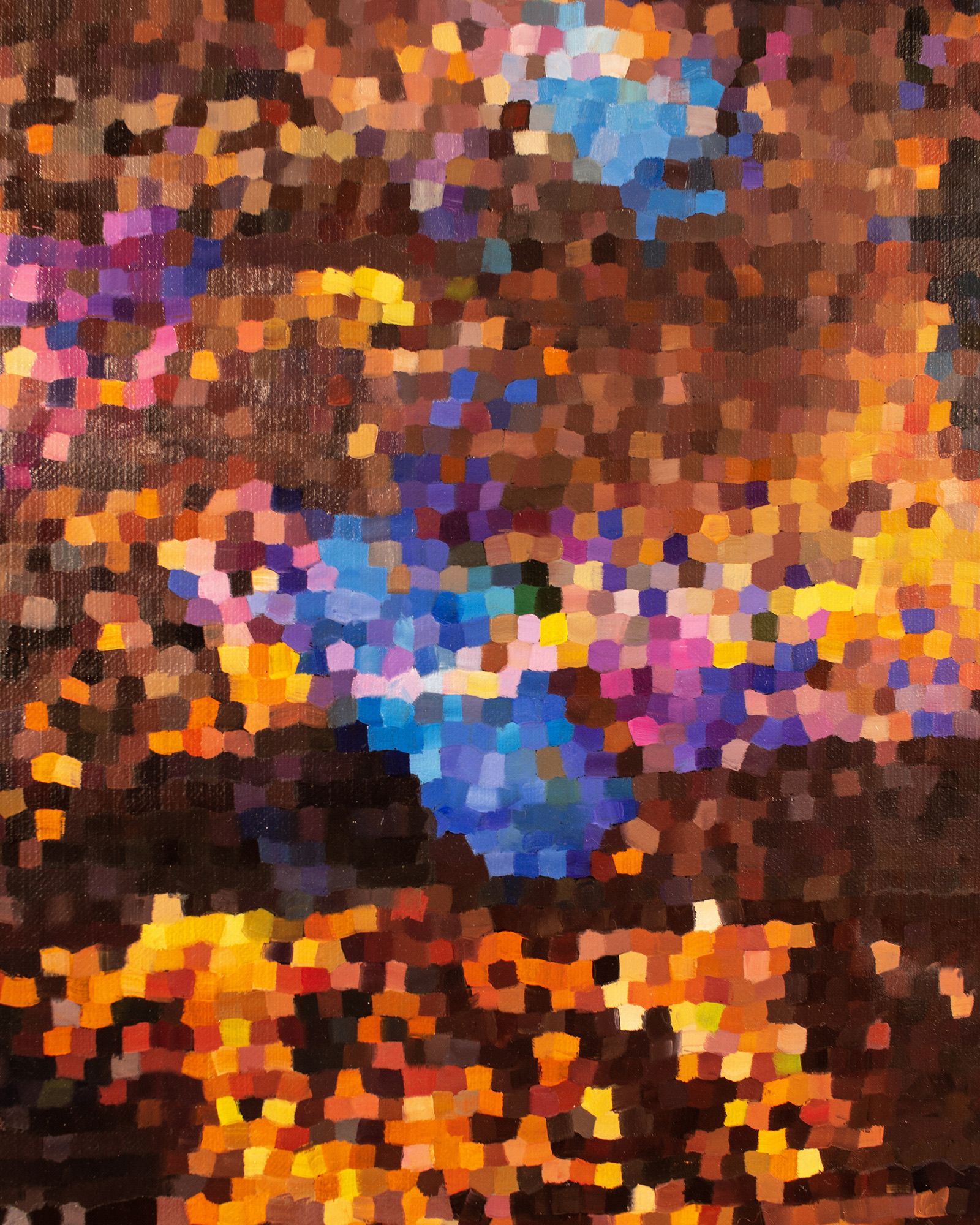
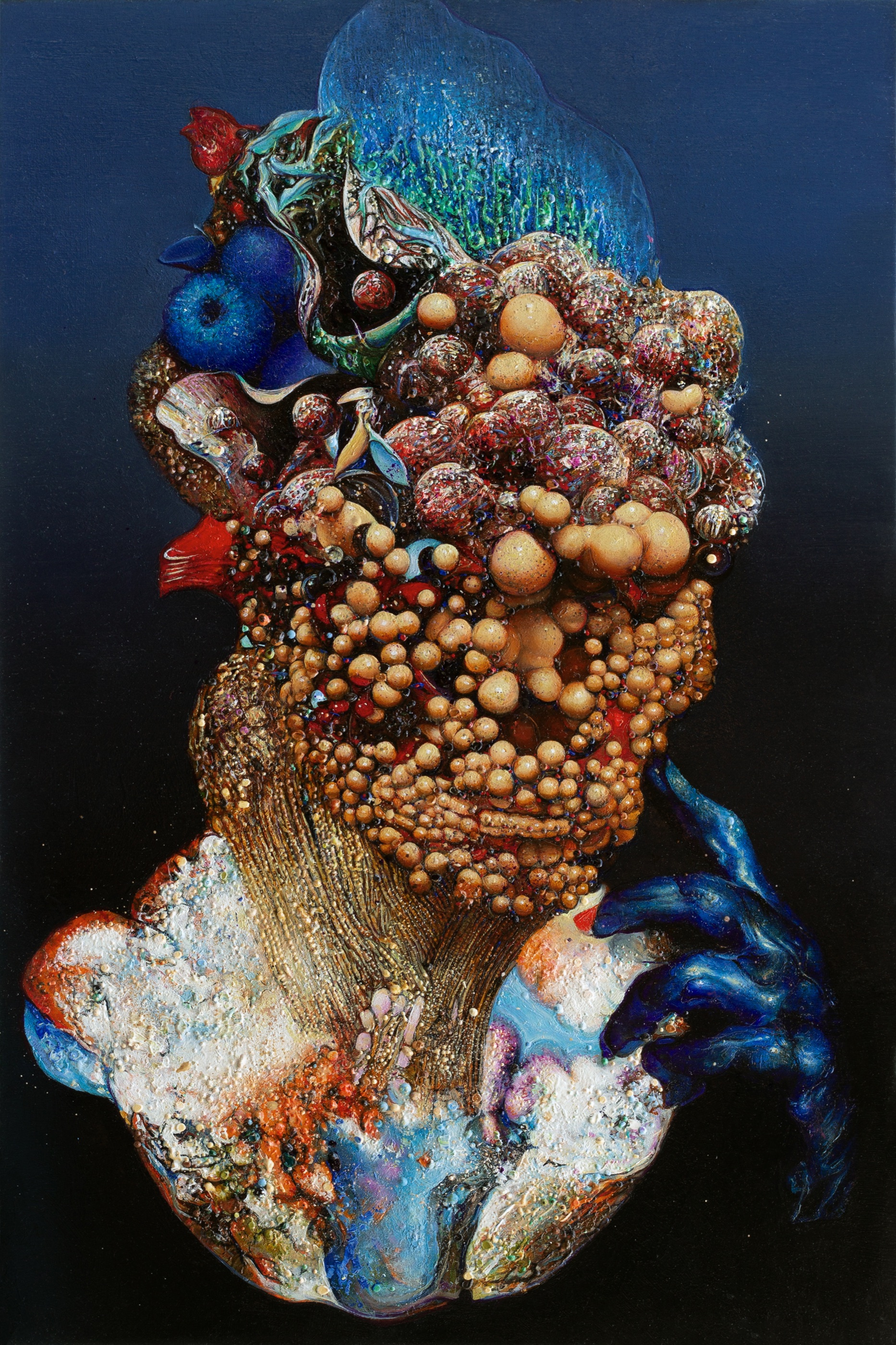
Operation Desert Roar

Operation Desert Roar / Sivatagi bőgés hadművelet

2026

Oil on canvas

57 x 80 cm

The painting was inspired by the Memmi family’s The Fall of the Rebel Angels (Louvre, Paris, 14th century).

A képet a Memmi család „Lázadó angyalok bukása” című festménye ihlette (Louvre, Párizs, 14. század).

Similar artworks

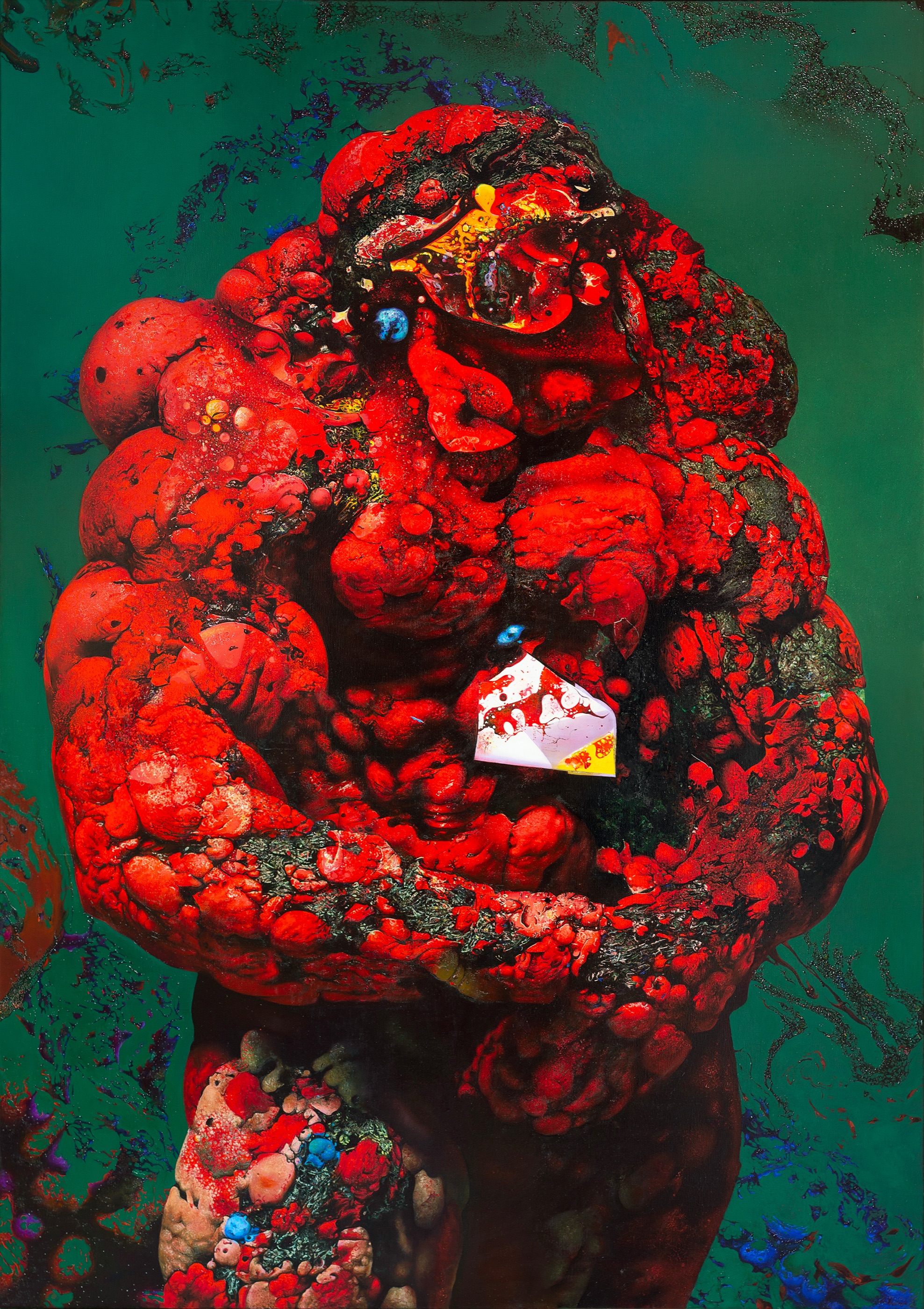
The Mighty Voter

The Mighty Voter / Hős szavazó

2026

Oil on canvas

109,5 x 155 cm

"And all good-will shall turn to good at last. And the glad joy which was foretold of old Shall to the sky-men's towers go up full fast." Enduring nonsenses, Rabelais

"És jótét lesz minden jóakaratból. És az öröm mit jövendöltek egykor, Az égi emberek tornyára rámén," Maradandó sületlenségek, Rabelais

Similar artworks

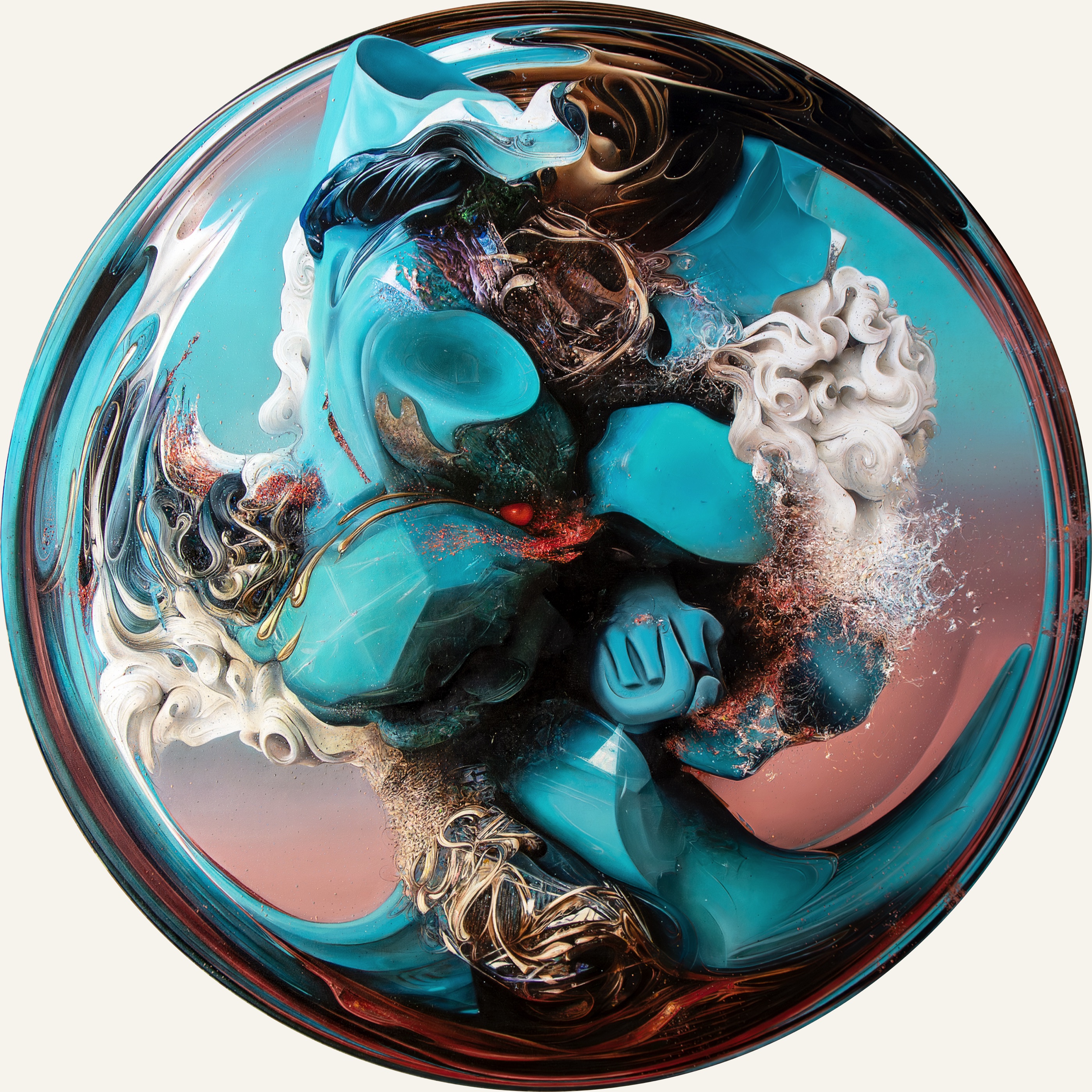
Head of a crying boy (Prince Charming)

Head of a crying boy (Prince Charming) / Síró fiúfej (Mesebeli Herceg)

2025

Oil on canvas

120 cm Ø

Similar artworks

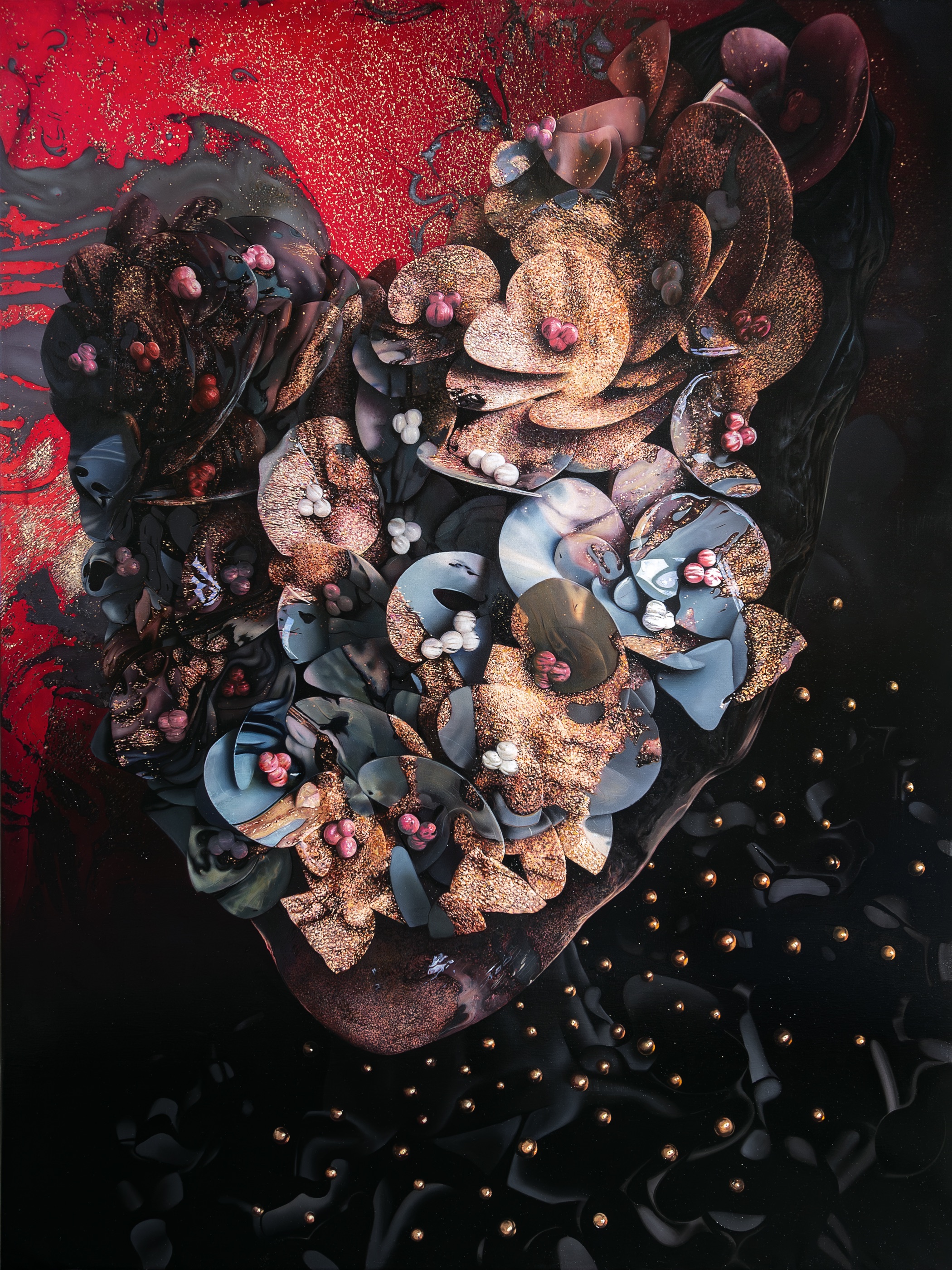
Queen with jeweled headdress in the shape of a heart

Queen with jeweled headdress in the shape of a heart / Királynő, szív alakú, ékköves fejdísszel

2024–2025

Oil on canvas

105 x 140 cm

Similar artworks

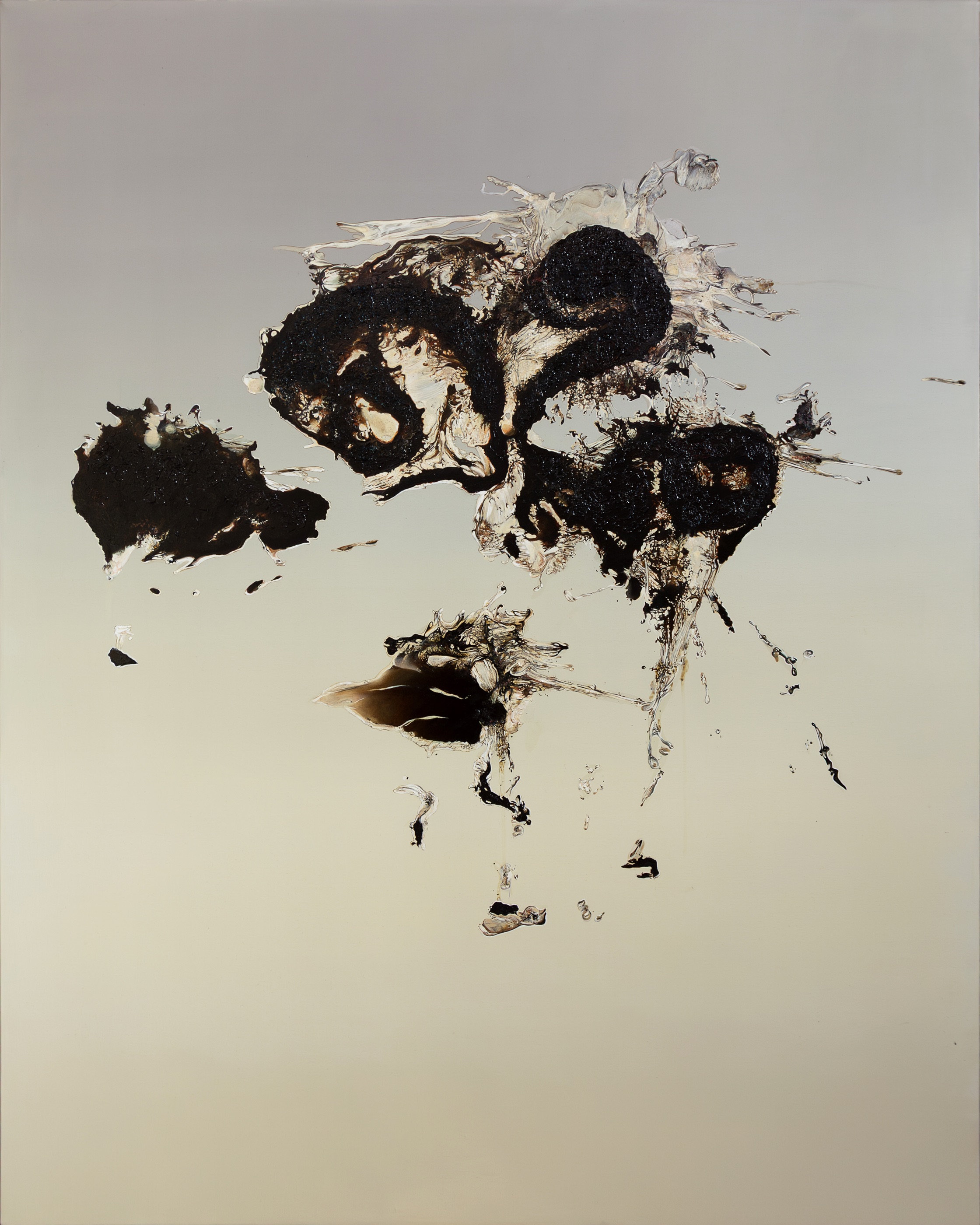
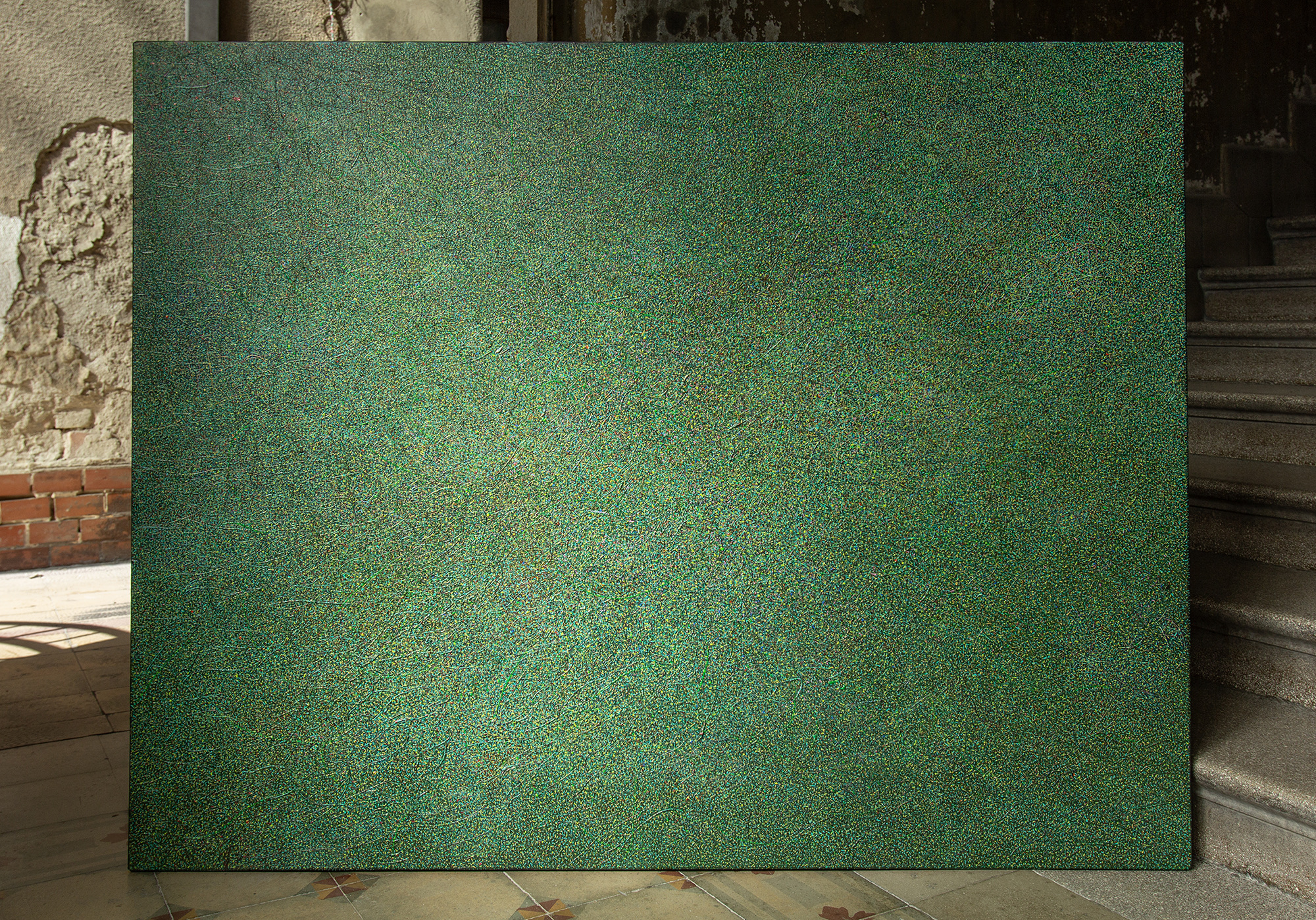
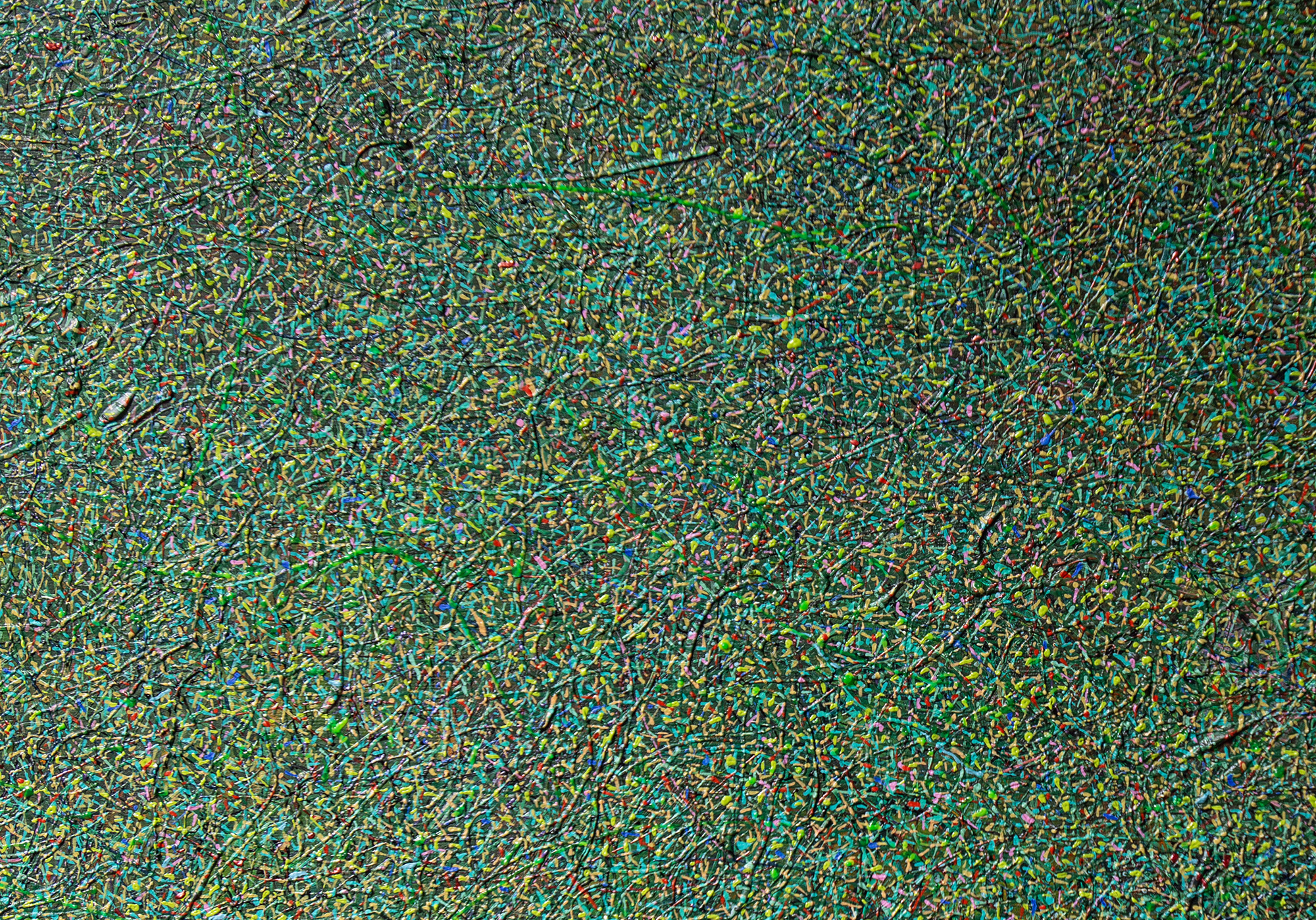
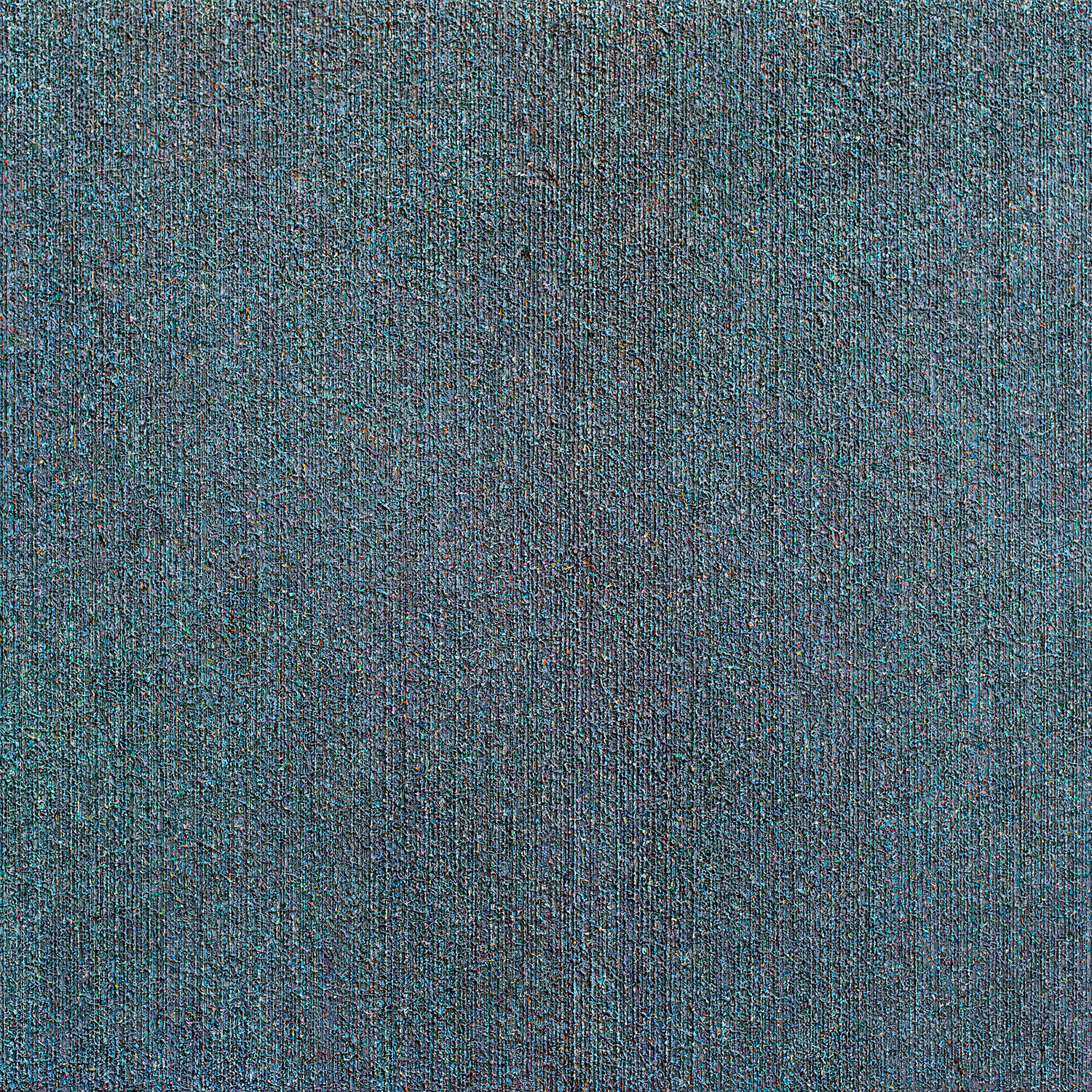
Pentimento No.4

Pentimento No.4

2009–2025

Oil and acrylic on canvas

140 x 110 cm

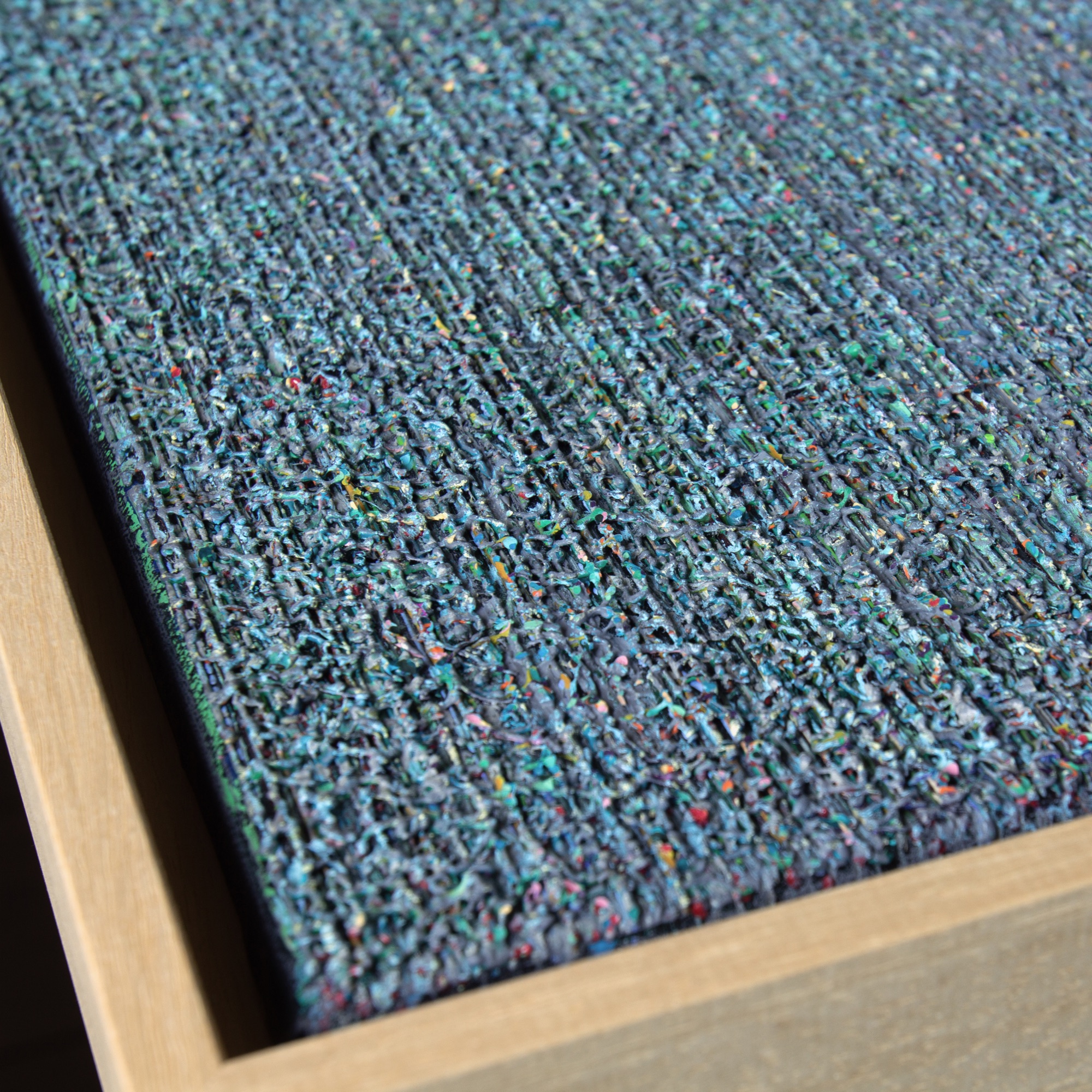
Pentimento No.4 in situ
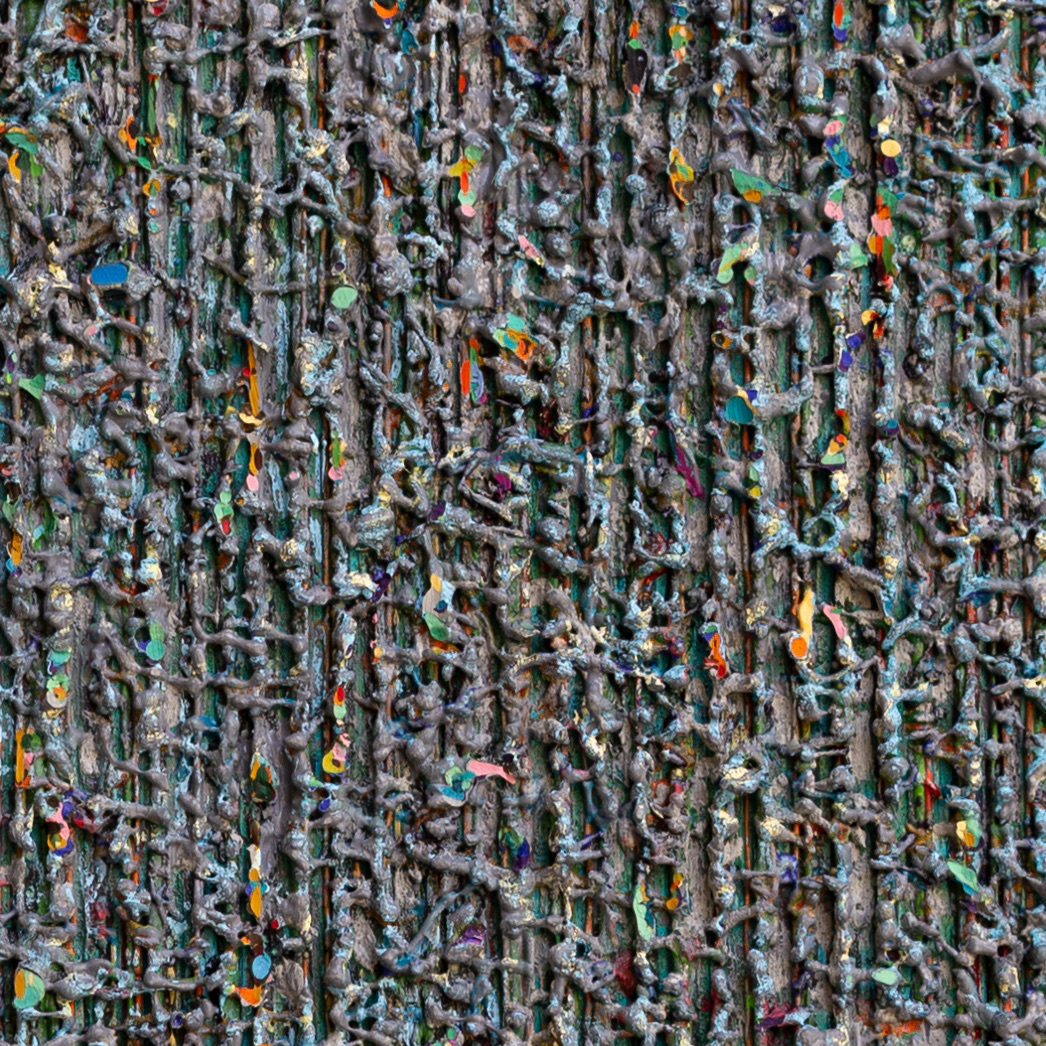
Pentimento No.4, detail

Similar artworks

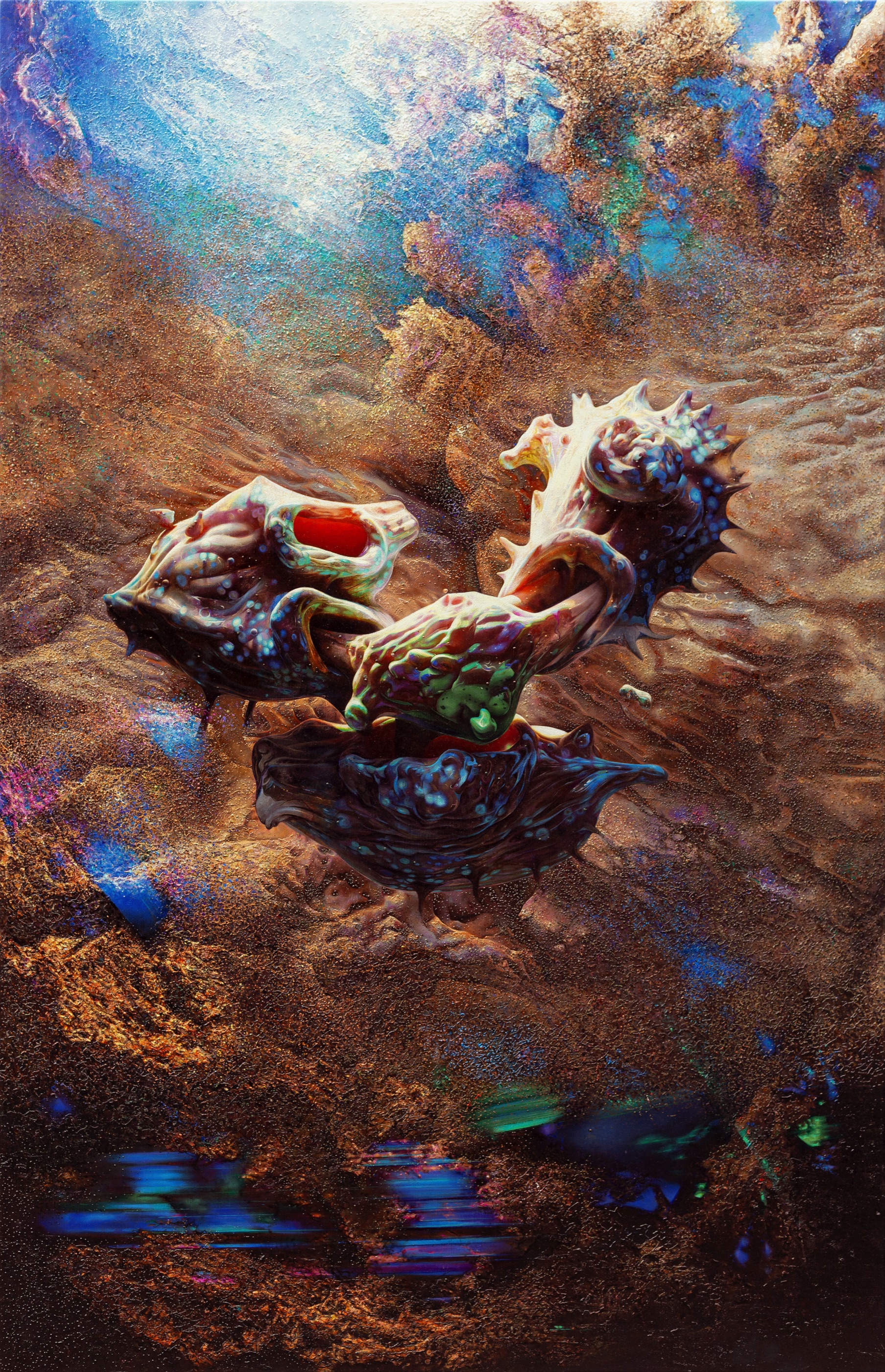
Holy Hollow

Holy Hollow / Szent üreg

2022–2024

Oil on canvas

100 x 155 cm

The painting was inspired by the war that erupted in a neighboring country. The creatures depicted exist in a natural state, where brutal life contrasts with a sacred space, emphasized through a Baroque-style chiaroscuro effect. The amoebas eating each other, allegorizing related nations' warfare, are recurring symbols. I have used it for my paintings before, the feeding structures of the Brain-Eating amoeba have a face-like appearance, in many cases similar to a smiley. For me, they perfectly embody a chaotic existence where rational, order-seeking thought has no chance; after all, they destroy the very organ that houses thought: the brain. The creation of this painting was a complex process that unfolded over two years. It began with a long sketching and preparation phase, during which I utilized both 2D and 3D software to construct the composition. Next, I moved on to the underpainting phase, which began after multiple priming layers on the canvas. Instead of using the traditional grisaille technique, I applied my version and painted approximately 25.800 spots over another six months. The purpose of this method was to avoid the dull flatness of shadowed, brownish surfaces and instead create rich, vibrant patches of color. Finally, the painting was completed using classical layering techniques and a play of textures. The translucent, iridescent surfaces were treated with thin and even layers, while the rough, granular areas were built up with thickly applied paint for a more tactile effect, creating a contrast between them.

Underpainting for the Holy Hollow
Underpainting for the Holy Hollow / Szent üreg aláfestése

Similar artworks

Pentimento No.3 (What a blessing it is that there is an art on Earth that imitates nothing!)

Pentimento No.3 (What a blessing it is that there is an art on Earth that imitates nothing!) / “Micsoda áldás, hogy van a földön olyan művészet is, mely nem utánoz semmit!”

2021–2024

Oil on canvas

80 x 80 cm

Pentimento No.3, detail

Similar artworks

The Marquis's Portrait

The Marquis's Portrait / A márki portréja

2023

Oil on copper

20 x 30 cm

A fantasy portrait of the Rococo marquis, with a head composed of carnivorous plant- and egg cell-like formations. A marquis who spent most of his life in prison and was known for his overflowing sexual imagination. The one who called his scenes 'figures,' carefully composed them, and brought them to the stage—a marquis whose imaginative power, artistic freedom, and consistency had an overwhelming impact. Eros and death—the two main driving forces—amplified to infinity. Due to its miniature scale and the need for meticulous detail, I chose a copper plate instead of canvas, as its smooth surface allows for finer precision. I prepared the surface similarly to copper engravings, aiming to create a base where the texture of the etching interacts with the paint.

Preparing for The Marquis's Portrait
Preparing for The Marquis's Portrait / A márki portréja, előkészítés

Similar artworks